Preface to Ida B. Wells’ “The Reason Why”
by Ida B. Wells
Sometimes, the most powerful story isn’t fiction—it’s the unvarnished truth.
Today on the Story side of the journal, we feature Ida B. Wells, a pioneering voice of the late 19th century. While many know Wells for her fearless anti-lynching crusade, she was also a master of rhetoric who understood the power of controlling the narrative.
In 1893, as Chicago hosted the World’s Columbian Exposition, the organizers effectively banned African Americans from participating, creating a “White City” that erased Black achievement. In response, Wells (along with Frederick Douglass) published “The Reason Why,” a blistering pamphlet distributed by hand to visitors at the fair.
In this excerpt from the Preface, Wells addresses “The Seeker of Truth.” She systematically dismantles the stereotypes of the era, using the exclusion from the World’s Fair as a lens to examine the broader American betrayal of the “colored people” since Emancipation. It is a masterclass in using prose to document history and expose injustice.
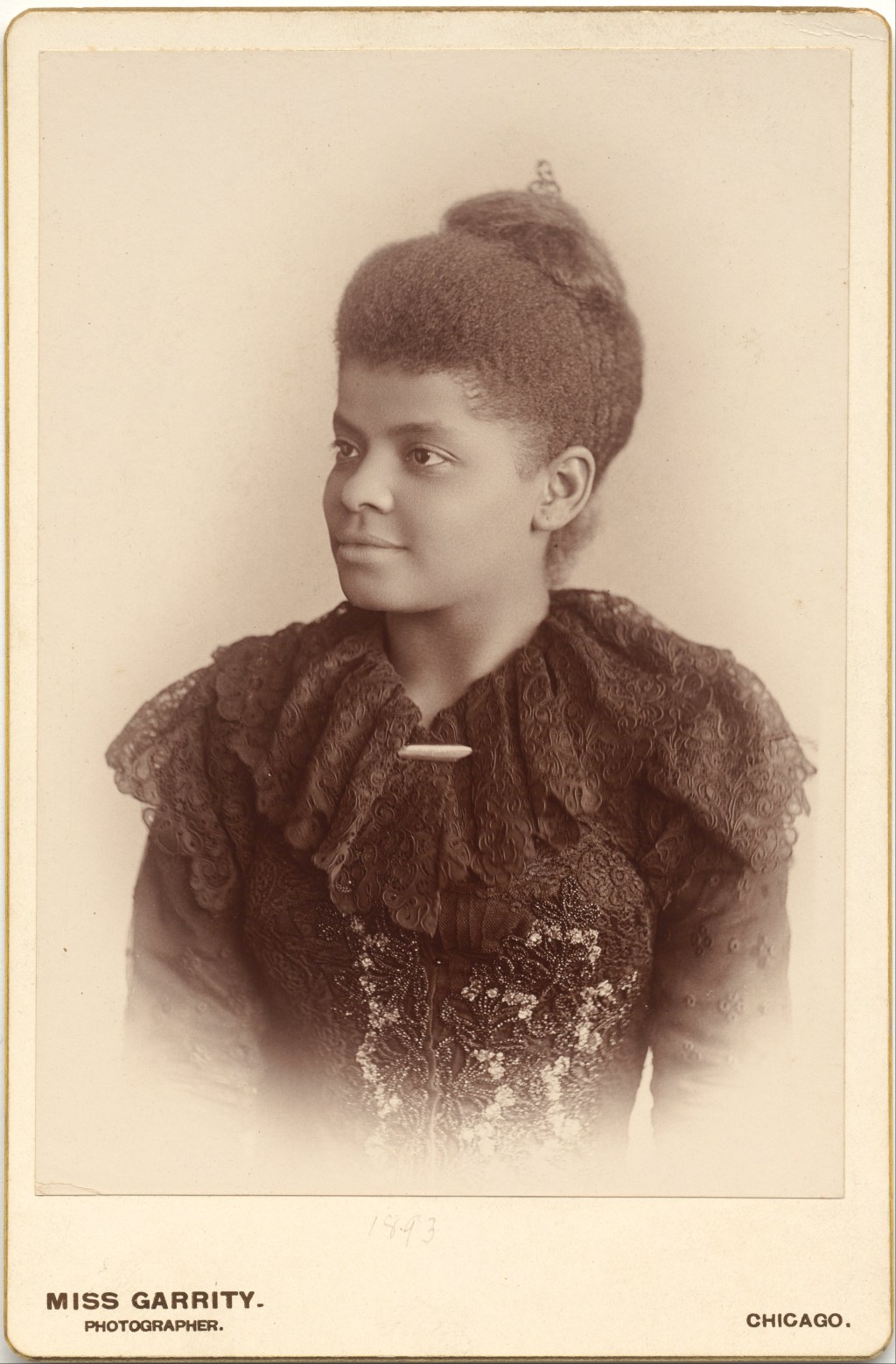
The image above captures Wells in 1893, the very year she walked the fairgrounds distributing this work. Her steady gaze reflects the unflinching courage found in the text below.
Here is the Preface to “The Reason Why.”
“The Reason Why” (Preface)
by Ida B. Wells
To the Seeker of Truth:
The colored people of this great Republic number eight millions – more than one-tenth the whole population of the United States. They were among the earliest settlers of this continent, landing at Jamestown, Virginia in 1619 in a slave ship, before the Puritans, who landed at Plymouth in 1620. They have contributed a large share to American prosperity and civilization. The labor of one-half of this country has always been, and is still being done by them. The first blood shed for American liberty was that of Crispus Attucks, a colored man, at Boston, Mass., March 5, 1770.
…
The World’s Columbian Exposition is a palpable civilizer. It is a school of instruction to all the world. The colored American has been excluded from the management of the Fair, and the Board of Lady Managers have refused to give the colored woman a place on their Board.
…
We have prepared this volume to present to the world the side of the colored American. We only ask a fair and impartial hearing. We ask that the civilized world, which has heard the charges against us, will now hear our defense.
 Stanza & Story
Leave a comment