As we settle into the quiet cold of January, the gray skies often feel permanent. But poetry has a way of reminding us that the “shivering birds” are only a temporary state.
Today on Stanza & Story, we turn to Claude McKay, a seminal figure of the Harlem Renaissance. Born in Sunny Ville, Jamaica, McKay’s work often navigated the tension between the “bitter realities” of life in the United States and the lush, vibrant memories of his Caribbean home.
In this piece, titled “After Winter,” McKay juxtaposes the starkness of a northern winter against the verdant promise of a “summer isle.” It is a poem about resilience, migration, and the hope that warmth is not just a season, but a destination we can return to.
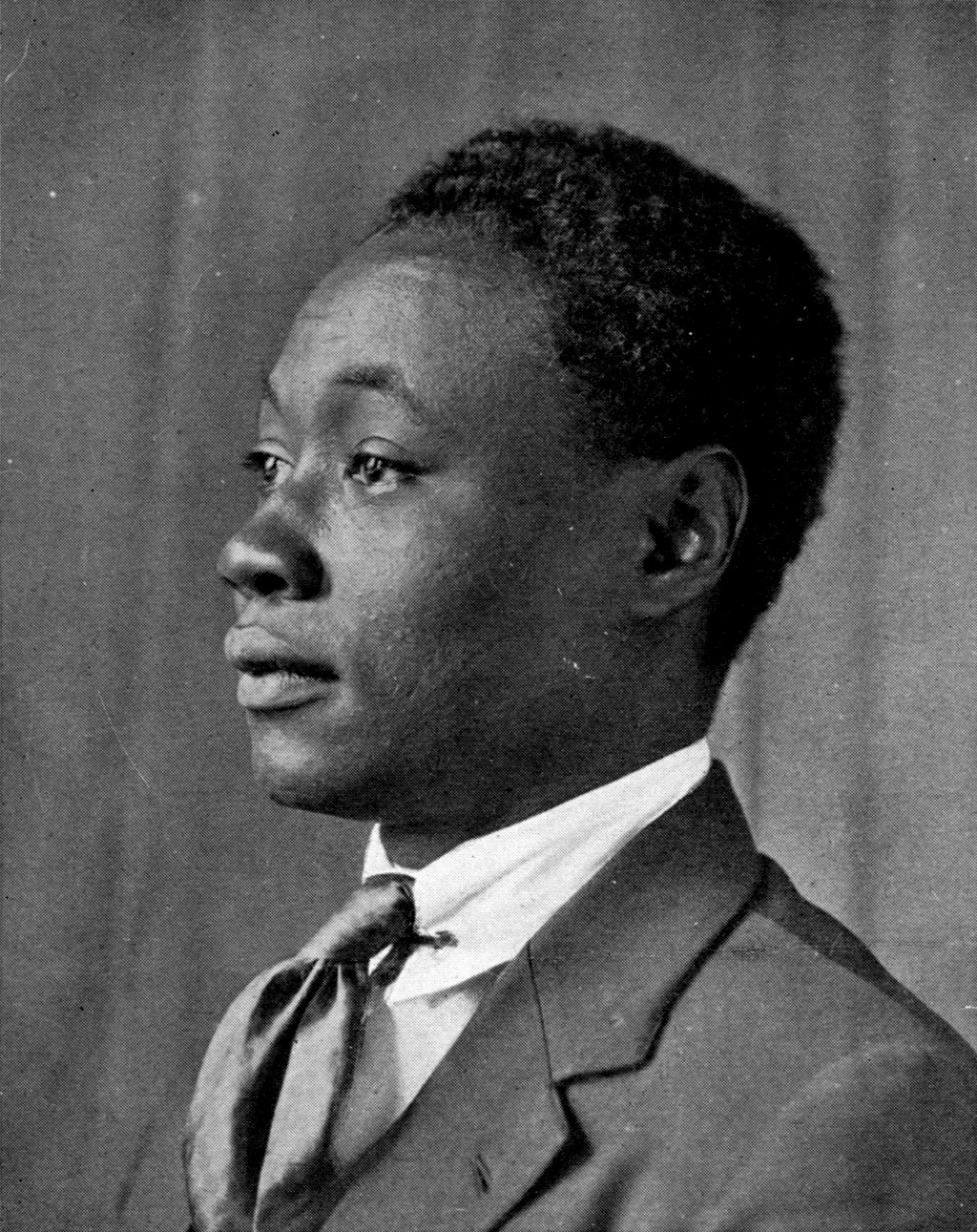
Featured above is a portrait of McKay from 1920, the very era in which this poem was written. Looking at his profile, we can imagine him looking “southward,” envisioning the orchids and the open glades described in the verses below.
Here is Claude McKay’s vision of the thaw.
“After Winter”
by Claude McKay
Some day, when trees have shed their leaves
     And against the morning’s white
The shivering birds beneath the eaves
     Have sheltered for the night,
We’ll turn our faces southward, love,
     Toward the summer isle
Where bamboos spire the shafted grove
     And wide-mouthed orchids smile.

And we will seek the quiet hill
     Where towers the cotton tree,
And leaps the laughing crystal rill,
     And works the droning bee.
And we will build a cottage there
     Beside an open glade,
With black-ribbed blue-bells blowing near,
     And ferns that never fade.
 Stanza & Story
Leave a comment